Citeturlet it be cited.

Wikipedia pages & SEO for people who create.

We are an Amsterdam studio writing Wikipedia pages and fixing Google results for artists, musicians, writers and filmmakers. Free audit first — before you pay.

01
— Services

Two services, equal weight. Usually sold together.

Wikipedia fixes what the internet says about you. SEO fixes what Google shows. Either can stand alone. Together they do more.

Service 01 paid, disclosed

Wikipedia.

We write Wikipedia pages for people who qualify, update existing ones, and translate them into other languages.

  • 01Writing a new article. We check your sources first. The draft goes through Wikipedia's review process before it goes live — never straight onto the site.
  • 02Updating an existing page. We propose changes on the article's public discussion page, where Wikipedia's volunteer editors can review them.
  • 03Correcting what's already there. When a page has unsourced claims, wrong facts, or outdated information, we propose corrections with proper sources. The goal is accuracy — Wikipedia's volunteers always decide what stays.
  • 04Translation across languages. Each language version of Wikipedia has its own rules and culture — a translation has to fit the destination, not just the words. In-house: English, Nederlands, Deutsch, Français, Farsi. Español and Italiano on request, through native-speaker editors.
From €400 per engagement · incl. BTW
Service 02 per project

SEO.

What actually shows up when someone Googles your name. The summary panel that appears on the right. Your official website above LinkedIn. Correct years, correct credits, the right photos. The technical term for this is entity SEO; the honest version is cleaning up what Google thinks it knows about you.

  • 01Your name on Google. Making sure the summary card appears when it should, stays accurate, and that your own site and real credits show up where they belong.
  • 02The databases behind it. Google pulls from databases you've never heard of — Wikidata, MusicBrainz, Discogs, RKDartists, VIAF, ISNI. We make sure your information is correct in all of them.
  • 03Your own website. Adding the right code so search engines can read your album titles, artwork dimensions, book ISBNs, film credits, release dates. Linking your profiles together so Google knows they're all you.
  • 04When two people share a name. Wrong photos, mixed-up credits, the wrong birth date — that's a name mix-up Google hasn't sorted out. We fix it across Wikipedia, the arts and music databases, and the AI systems (ChatGPT, Perplexity, Google's AI overviews) that increasingly decide what people see when they search for you.
From €600 per project · incl. BTW

Significantly less than generalist reputation agencies — because this is all we do. Pricing flexes for working artists; ask at the audit.

— Interlude
What changes

Before and after.

Most creative people Google their own name and find something slightly wrong. A wrong year. A dead gallery link. Someone else with the same name ranking above them. This is what the SEO work fixes over time.

Before

— typical state
  • A Wikipedia page about someone else with the same name — or one that mixes the two of you up.
  • Wrong dates, outdated bio, or missing credits in the card on the right.
  • Your LinkedIn or a dead gallery page above your own website.
  • A summary card showing the company you left five years ago, not the work you do now.
  • Spotify, Bandcamp, and your website look like separate people to Google.
  • No summary card at all — or one that's years out of date, where corrections keep reverting.

After

— what the work moves toward
  • Your own Wikipedia page, if you qualify — or a correctly attributed existing one.
  • A summary card with current, sourced facts — where Google chooses to show one.
  • Your own site and verified profiles ranking where they should.
  • The summary card reflects the work you actually do now.
  • Your profiles connected in the data, so Google treats them as all you.
  • Corrections stick, because the source data is right. Someone searching your name in the future still finds the right thing.

None of this is guaranteed. SEO is probabilistic — Google decides what to show. Our job is making the underlying data right, so the odds are on your side and stay there.

02
— Why both

Together, Wikipedia and SEO establish and protect your public record online.

What Google shows when someone searches your name comes from a system: your Wikipedia article, the databases behind it, the code on your own site. More than half of all summary cards on Google are built from Wikipedia and its sources. Fix one part and the others drift; fix all of them and the record holds.

We don't promise panels. We do the work that makes them possible, and we keep things accurate once they appear. That's the honest version of this service, and the only one we sell.

03
— Process

Audit. Plan. Execute. Monitor.

The audit is the filter. The engagements that fail usually skipped it.

  1. 01

    Audit.

    Is your case viable? A free audit tells you honestly, in writing, before you commit to a full engagement. No guesswork, no optimism.

  2. 02

    Plan.

    Scope, sources, timeline, disclosure plan. A fixed project fee, set before the work begins — no retainers, no surprises.

  3. 03

    Execute.

    Drafting, submitting, publishing. On Wikipedia, in the databases that feed Google, and on your own website.

  4. 04

    Monitor.

    A follow-up audit, six or twelve months on — how the page is holding up, what's changed in Google, what needs fixing. Scoped as its own small project, never automatic.

04
— Guarantee

No guaranteed acceptance. No risk to your page.

Wikipedia is edited by independent volunteers, so acceptance cannot be guaranteed. What we guarantee is what happens if a draft is declined.

  1. 01

    If a new article or major update is declined, we revise once against the reviewer's feedback and resubmit.

  2. 02

    If it is declined a second time, we refund the writing fee for that submission in full.

  3. 03

    A declined draft is not published. It does not appear on your live page, does not leave a mark on your name, and does not show up in Google.

The audit at the start is the filter. If we tell you a case is viable and it still fails, the refund holds.

05
— Work

Past work.

Most of our clients prefer to stay private. We only name them when they give us permission. Everything else is anonymised, but the results are real. We also tag how tricky each case was.

Nº 01
New Wikipedia pageBorderline case

Visual artist, Berlin.

Private client2025
Nº 02
SEOStraightforward

Amsterdam gallery.

Private client2025
Nº 03
Wikipedia + SEOLong-term

Independent musician, NL.

Netherlands2024–
Nº 04
Wiki translationStraightforward

Writer, NL → EN Wikipedia.

Private client2025
Nº 05
Wiki updateSaved from deletion

Documentary filmmaker.

Public client2024
Nº 06
SEO cleanupLong-term

Multidisciplinary designer.

Private client2025
Straightforward
— plenty of sources, clear path.
Borderline case
— had to build the case carefully with strong sources.
Saved from deletion
— existing page was at risk, or previously deleted.
Long-term
— a project that took several months or more.
06
— Studio

Who does the work.

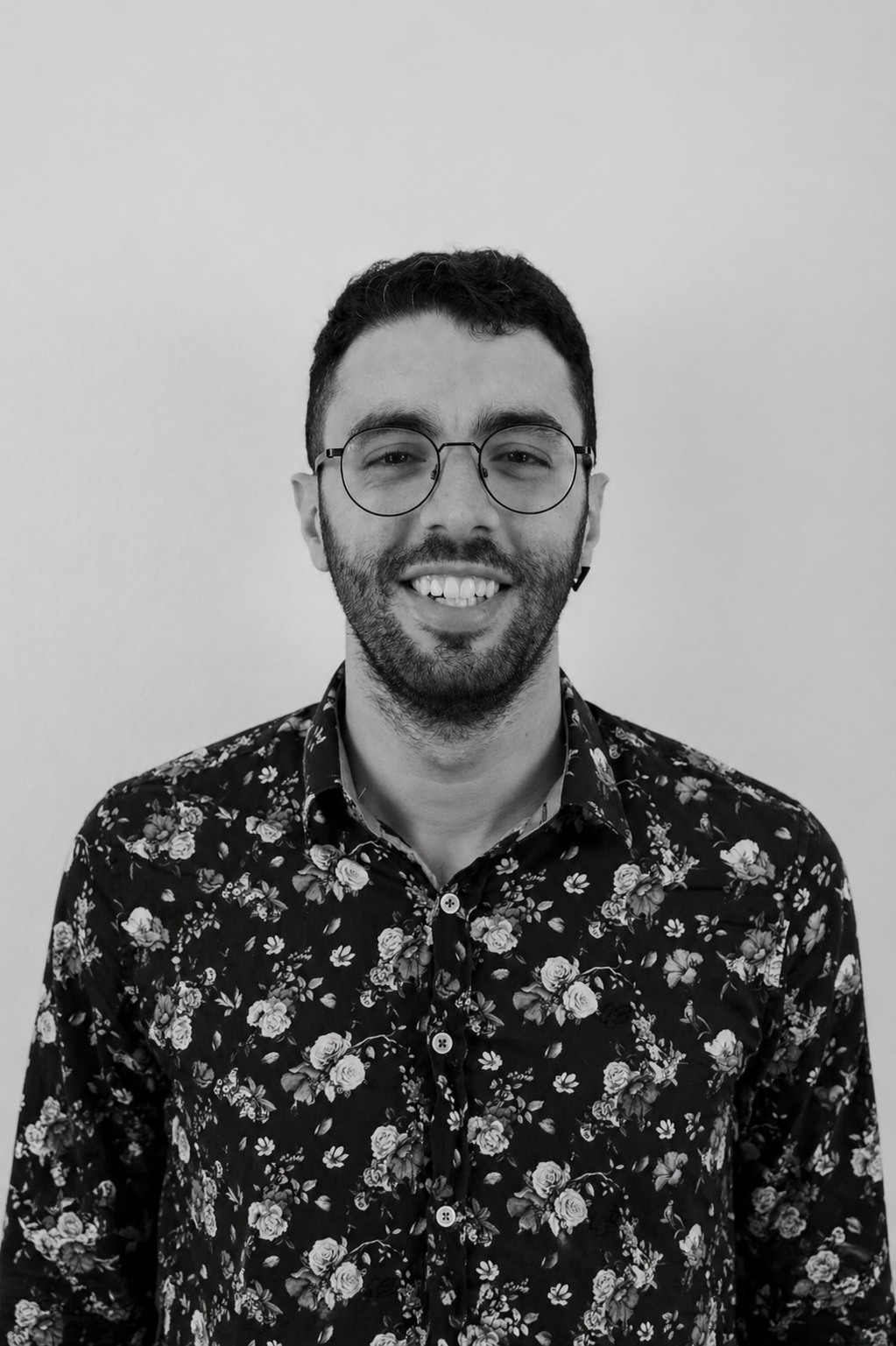
Sina Khani — Wikipedia.

Wikipedia editor for over a decade — with paid-editing disclosure publicly on file. Editor at The Unsafe Journal. Filmmaker and comedian, rooted in the Amsterdam creative scene.

Portrait of Sina Khani — Wikipedia editor at Citetur

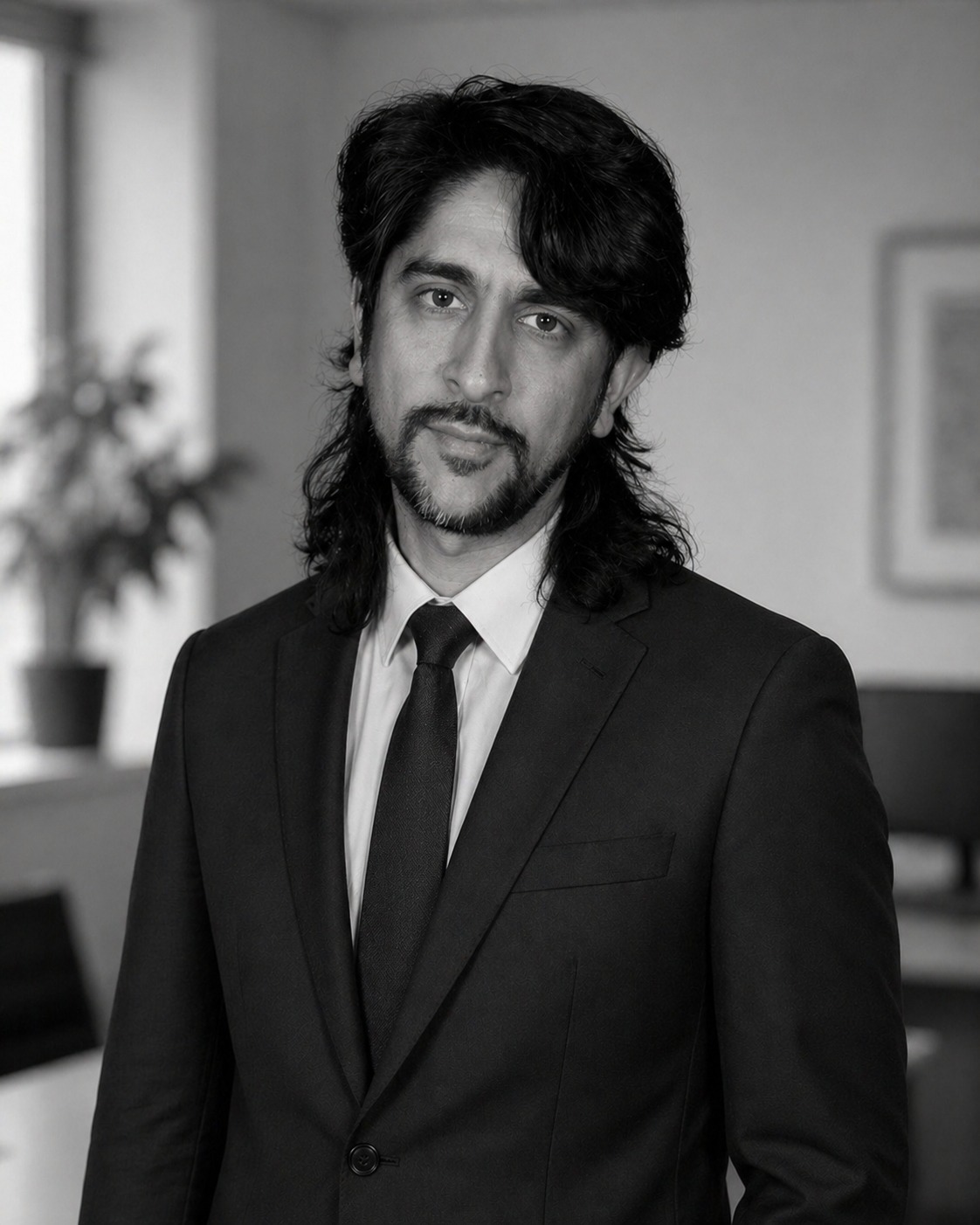
Hichem Touati — SEO.

Software engineer and poet. Created The Unsafe Journal and runs Grimoire Digital. Came to engineering after years in journalism, philosophy, and the arts — which still shapes how he reads a problem.

Portrait of Hichem Touati — owner of Citetur, SEO and engineering
Languages
In-house: English, Nederlands, Deutsch, Français, Farsi. Español and Italiano via native-speaker collaborators.
Registered
Grimoire Digital, KvK Amsterdam 42039793 — trading as Citetur.
07
— FAQ

Questions people actually ask.

Is paid Wikipedia editing allowed? +

Yes. Paid Wikipedia editing is legal when done in line with Wikipedia’s rules. We protect our clients’ privacy, do not publicly disclose client identities, and handle all work with strict confidentiality. New articles are submitted through Wikipedia’s review process, and we fully comply by clearly stating our role as paid contributors on our profile, in edit summaries, and on article talk pages. Undisclosed or deceptive editing is what causes issues, not paid editing itself.

What if my page is rejected or deleted? +

Rejection at draft stage is common and not final — it usually means the sourcing needs work, not that the subject doesn't qualify. We revise once against reviewer feedback and resubmit. If it's declined a second time, we refund the writing fee. A declined draft is not published and does not leave a mark on your name. See the guarantee above.

Can you remove negative information from my existing page? +

It depends on whether it's true. If the negative information is accurate and comes from reliable sources, it stays — Wikipedia isn't a PR platform. But if something is factually wrong, poorly sourced, or defamatory, we can propose removing or correcting it through Wikipedia's proper channels. In every case, we have to prove our case to Wikipedia's volunteer editors, and they make the final call.

How long does the SEO work take to show up? +

The technical work — updating Wikidata, adding structured markup to your site, linking your profiles together — takes a few weeks to propagate through Google's index. Visible movement on a name-search usually begins in four to eight weeks. A new summary panel, where one is going to appear at all, typically appears in two to six weeks after a Wikipedia page is accepted. Cleaning up incorrect or outdated results takes longer: three to six months is realistic.

Do you guarantee results? +

No. Google decides what it shows. Wikipedia's volunteer editors decide what stays. What we guarantee is that the work is done correctly, disclosed properly, built on sources that hold up — and that the writing fee is refunded if a draft is declined a second time. That's the part we control; the outcomes follow from the work.

Why Amsterdam, and why multilingual? +

Wikipedia is multilingual by design — the Dutch article about you is not the same as the English one, and the German one follows different sourcing conventions again. Being in Amsterdam gives us native Dutch, which few agencies outside the Netherlands can offer. Working across English, Nederlands, Deutsch, Français, and Farsi in-house means we can write on whichever Wikipedia your strongest sources live — not just translate through one.

08
— Contact

Start with an audit, not an intake call.

Tell us what you need.

Replies usually within two business days. We start every project with a free audit — no obligation. For sensitive work, we'll move to Signal or PGP after the first message. info@citetur.org

Service
or email info@citetur.org